


UX Consulting for SaaS
Get strategic advice on usability improvements and prioritization for product growth.
Trusted by 105+ SaaS Founders and Product Teams




















 Our Services
We partner with SaaS and AI companies to improve product usability, support business goals, and create systems that support long-term growth.
Get strategic advice on usability improvements and prioritization for product growth.
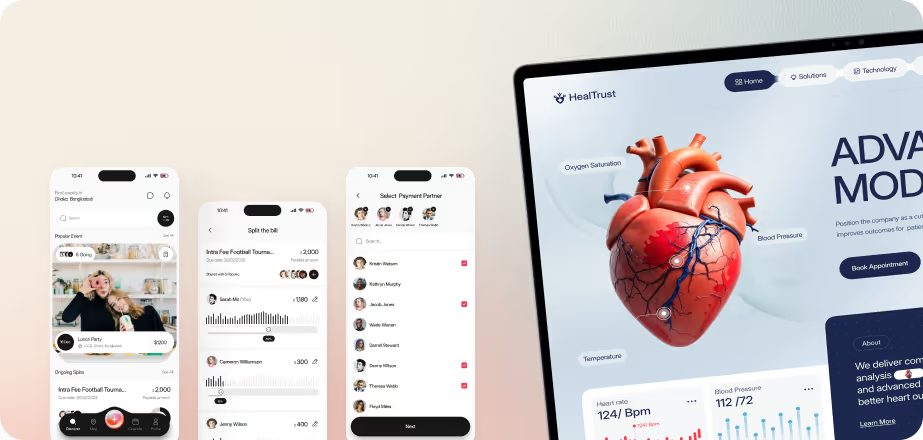
From first-time onboarding to everyday product use, we design experiences that feel smooth across every screen.
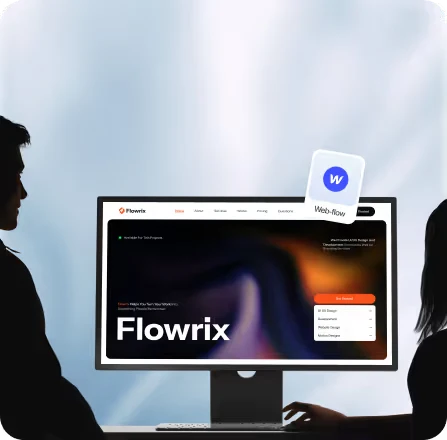
Certified Webflow partner offering flexible, scalable builds with CMS integration.
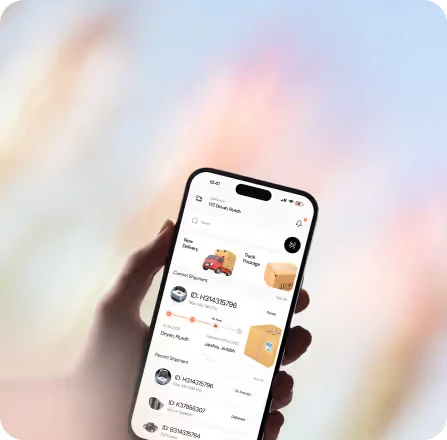
Complex products need more than clean screens. We design user flows, product logic, and interfaces that help people get value faster.
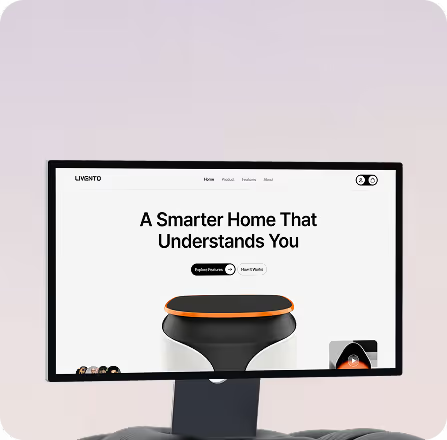
We create websites that clearly present your product, foster trust, and increase conversions.
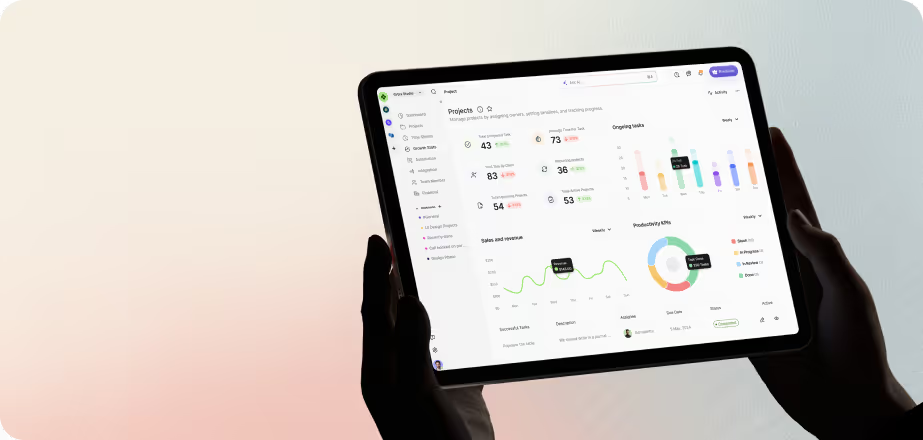
Reusable component libraries built following the Atomic design methodology to scale with consistency
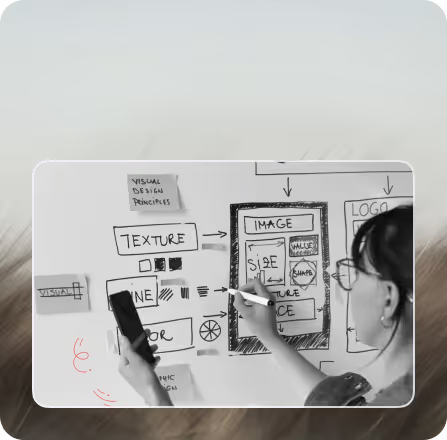
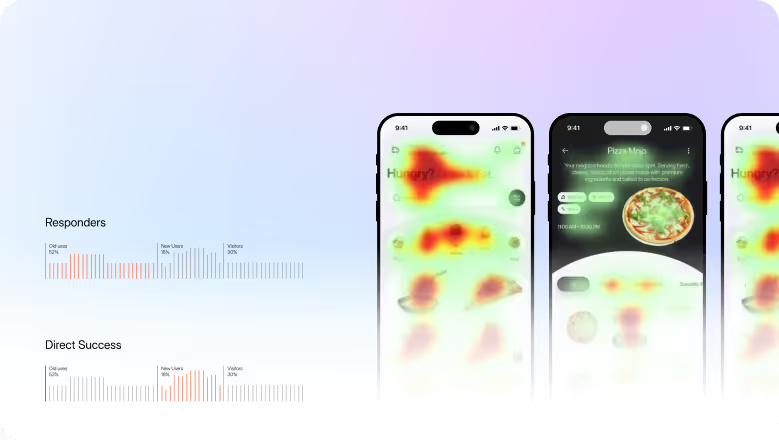
Deep research into conversion leaks and usability gaps, plus expert recs to boost performance.
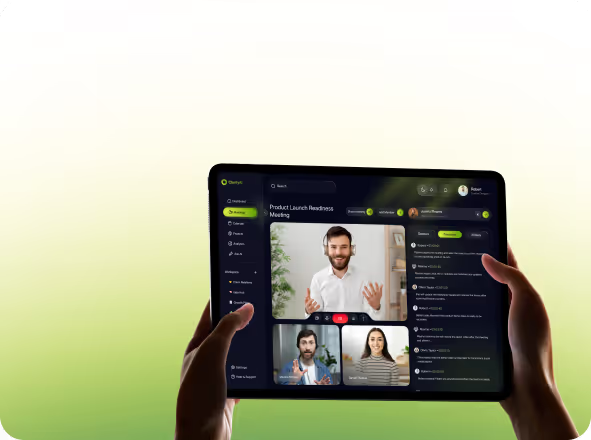
Before you redesign everything, we help you see where the real problems are and what changes will have the biggest impact.
Ensure accessibility by adhering to WCAG 2.2 AA standards in user flows.
 Why Better UX Matters
Help users understand your product faster and get value with less effort.
Remove confusing steps and make key workflows easier to complete.
Better experiences keep users engaged and give them more reasons to return.
Make advanced features feel clearer, smoother, and easier to use every day.
Create clearer paths that turn more visitors, users, and trials into customers.
A polished experience helps your product feel more trusted, capable, and ready to grow.
Diverse Studio is a product design partner for SaaS and AI teams that need sharper UX, clearer interfaces, and design that supports growth.
A look at what genuinely moves Webflow build costs, how studios price the work, and how to set a budget you can defend internally.
A practical way to compare studios on industry, platform and depth of craft, so the shortlist you take to your team actually holds up.
We tried the current crop of AI design tools on live client work. These are the ones that saved real hours rather than just looking clever.
If you're unsure where to start or want to see how we can help, reach out, and we'll walk you through it.

Let's talk through your goals, your timeline, and how Diverse Studio can support your team.
Every project is tailored to your product, but most UI/UX engagements cover everything needed to create a clear, user-friendly experience from strategy to developer handoff.
Depending on your goals, we can help with UX research, product audits, user flows, wireframes, interface design, interactive prototypes, design systems, dashboard design, mobile app design, responsive web interfaces, and accessibility improvements.
Rather than jumping straight into visual design, we focus on understanding how users interact with your product and where they experience friction. This helps us design experiences that are easier to use, support your business goals, and give your development team a clear roadmap to build from.
Once the designs are approved, we deliver organized, developer-ready Figma files with reusable components, interaction details, and documentation to make implementation as smooth as possible.
If you need development support after the design phase, our team can also help turn the approved designs into a production-ready product without requiring a second agency.
The cost of a UI/UX design project depends on several factors, including the complexity of your product, the number of screens, required research, design system requirements, and whether you’re designing a new product or improving an existing one.
A simple marketing website and a feature-rich SaaS platform require very different levels of planning and design, so every project is scoped individually.
At Diverse Studio, we offer both fixed-scope projects and flexible monthly design subscriptions, allowing you to choose the engagement that best fits your product roadmap and budget.
During our discovery call, we’ll learn about your goals, recommend the right approach, and provide a clear proposal based on your specific requirements rather than a one-size-fits-all estimate.
If you’d like a better understanding of pricing, you can explore our pricing page to compare plans or contact our team for a custom quote. We’ll help you choose a solution that aligns with your product goals, timeline, and available resources.
Absolutely. We understand that many products are still in development or contain confidential business information, intellectual property, or unreleased features.
If you’d like to protect your idea before discussing it, we’re happy to sign a Non-Disclosure Agreement (NDA) before reviewing your product or project requirements.
Once the NDA is in place, you can confidently share wireframes, prototypes, business documents, technical specifications, product roadmaps, or access to your existing application. Everything you share is treated with the highest level of confidentiality throughout the engagement.
Many of our clients come to us during the early stages of product development, fundraising, or before a public launch, so protecting sensitive information is a normal part of how we work.
If you already have an NDA, simply send it to us before our discovery call. If you don’t, we can provide a standard mutual NDA to help get the project started quickly.
That’s completely understandable, and it’s one of the reasons we don’t jump straight into polished UI screens. Before creating the visual design, we spend time understanding your product, users, business goals, brand, and technical requirements through a structured discovery process.
We also validate user flows, layouts, and overall direction before investing time in detailed interface design, reducing the chances of major misalignment later in the project.
If the initial design direction still doesn’t meet your expectations, we’ll work closely with your team to understand your feedback and refine the approach. We see feedback as a normal part of the design process, not a setback.
Whether it’s adjusting the visual style, simplifying the experience, or aligning the interface more closely with your brand, we’ll continue iterating until the design reflects your goals and solves the right problems.
Our objective isn’t simply to deliver designs you approve - it’s to create a product your team feels confident building and your users will enjoy using. That’s why collaboration, open communication, and regular review sessions are built into every project from start to finish.
We don’t judge a design by how modern or visually appealing it looks. A successful design should make your product easier to use, help users complete important tasks more efficiently, and support your business goals.
That’s why every design decision is tied to solving a specific problem rather than simply refreshing the interface.
Before we begin, we work with your team to understand what success looks like. Depending on your product, that might mean increasing user activation, improving onboarding completion, reducing drop-off in key workflows, simplifying complex dashboards, or helping users complete tasks with fewer steps.
Throughout the project, we evaluate user flows, interaction patterns, navigation, and usability to ensure every improvement has a clear purpose.
After launch, we encourage clients to measure the impact using real product data such as conversion rates, feature adoption, task completion, user feedback, and engagement metrics. Design should create measurable improvements over time, not just a better first impression.
Our goal is to deliver experiences that are easier to use, support long-term product growth, and create lasting value for both your users and your business.
Absolutely. A complete redesign isn’t always the right solution. In many cases, the biggest improvements come from refining specific parts of the user experience rather than rebuilding the entire product.
If your interface is already familiar to users and supports your brand well, we focus on improving what matters most instead of changing everything.
Our team begins by evaluating how people interact with your product, identifying where users become confused, abandon tasks, or experience unnecessary friction.
From there, we prioritize the areas that will have the greatest impact, whether that’s simplifying navigation, improving onboarding, reducing the number of steps in key workflows, making forms easier to complete, enhancing dashboard usability, or improving accessibility across the product.
This approach allows your team to release meaningful improvements gradually, with less disruption to users and a lower development effort than a full redesign. It’s especially valuable for growing SaaS products that need to improve usability while continuing to ship new features.
By focusing on the experience rather than replacing the entire interface, we help you create a product that feels more intuitive, performs better, and continues to evolve alongside your business.
Yes. In fact, many of our projects begin with an existing product rather than a blank canvas.
Whether your application feels outdated, users struggle to complete key tasks, or your interface no longer reflects your business, we focus on improving what already exists instead of rebuilding everything from scratch.
Our redesign process starts by understanding how your product works today. We review your user journeys, identify friction points, and evaluate what’s helping or hurting the overall experience.
From there, we restructure workflows, simplify complex interactions, modernize the interface, and improve usability while keeping successful features intact whenever possible.
This approach helps reduce unnecessary development work and allows your team to improve the product in stages instead of starting over.
If you already have an internal development team, we’ll design around your existing architecture and provide developer-ready files that fit seamlessly into your workflow. If you need implementation support, our development team can also help bring the redesigned experience to life.
Before every project, we hold a discovery session to understand your product, business goals, users, and technical constraints, ensuring every design decision supports measurable improvements rather than cosmetic changes.
Yes. We work with both growing startups and established enterprise teams, but our strongest experience is with B2B SaaS and AI companies building digital products.
Whether you’re preparing to launch your first MVP, redesigning an existing platform, or scaling a mature product, we adapt our process to match your stage of growth.
Most of our clients are Seed to Series B companies that need a reliable design and development partner without the overhead of building a large in-house team.
We also support enterprise organizations that need additional product capacity, specialized design expertise, or faster delivery for specific initiatives.
Over the years, we’ve partnered with 80+ startups and product teams across industries including fintech, healthcare, logistics, e-mobility, and enterprise software.
To ensure every project receives the attention it deserves, we focus on companies building digital products rather than one-off design requests or small marketing projects.
If you’re unsure whether your project is the right fit, we’re happy to discuss your goals during a discovery call and recommend the best way to move forward.
Yes. For most UI/UX projects, wireframes are an important part of our design process because they help us solve usability problems before we focus on colors, typography, or visual styling.
By starting with low-fidelity layouts, we can validate user flows, screen hierarchy, navigation, and content placement early, making it easier to refine the experience before moving into high-fidelity design.
Wireframes also create a shared understanding between your team and ours. They allow stakeholders to review the product’s structure, suggest changes, and confirm that the user journey aligns with business goals before detailed design work begins.
This reduces unnecessary revisions later in the project and helps keep development more efficient.
Depending on the scope of your project, we may begin with simple sketches, interactive wireframes, or clickable prototypes to test key workflows before designing the final interface.
Once the structure is approved, we transform those wireframes into polished, high-fidelity designs that are ready for prototyping, developer handoff, and implementation.
A great design is only valuable if it can be built efficiently. That’s why we prepare every project with developer handoff in mind from the very beginning, not as an afterthought.
Our goal is to make implementation as clear and straightforward as possible, reducing unnecessary back-and-forth between designers and engineers.
Once the final designs are approved, we organize everything inside Figma using structured pages, reusable components, consistent naming conventions, auto layouts, design tokens, and clearly defined interactions.
We also include specifications for spacing, typography, colors, responsive behavior, states, animations, and component variants, giving developers the context they need to build accurately.
If your team has in-house developers, we work closely with them throughout the project to answer questions, review implementation, and resolve any design challenges that arise.
If you don’t have a development team, Diverse Studio can take the project through to implementation with our own frontend and full-stack developers, ensuring the final product matches the approved designs as closely as possible.
 10+ Projects Live
 5+ Projects Live
 Top Worldwide
 50+ Badges
 450+ Reviews
 47+ Reviews
 52+ Reviews
 5+ Projects Live